Ayurvedic Treatment for Breast Cancer
Ayurvedic treatment for breast cancer in India. Holistic, personalized care at Dr. Shinde's Ayurvedic Cancer Clinic. Free consultation. At Dr. Shinde's Ayurvedic Cancer Care Clinic, we provide holistic Ayurvedic supportive treatment tailored to each patient's unique body constitution (Prakriti) and stage of illness.
📞 First Consultation is FREE. Call or WhatsApp Dr. Shinde at +91-8889188821 to book your appointment today.
Our Ayurvedic Treatment Protocol for Breast Cancer
- Shodhana — Detoxification: Panchakarma therapy to cleanse toxins and purify the body
- Rasayana — Rejuvenation: Immunity-boosting and strength-restoring herbal formulations
- Shamana — Pacification: Personalized herbs to balance Vata, Pitta and Kapha doshas
- Ahara — Dietary Guidance: Customized diet plan based on Prakriti analysis
- Yoga & Pranayama: Breathing exercises and yoga for overall wellness and mental strength
- Meditation & Counseling: Emotional and spiritual support throughout the recovery journey
Key Benefits of Ayurvedic Supportive Care
- ✔️ Significantly reduces side effects of chemotherapy and radiation
- ✔️ Improves immunity, energy and overall body strength
- ✔️ Enhances quality of life during and after treatment
- ✔️ Supports long-term wellness, recovery and prevention of recurrence
- ✔️ Natural, plant-based formulations, well-tolerated by most patients
- ✔️ Can be safely used alongside modern cancer treatment (with doctor approval)
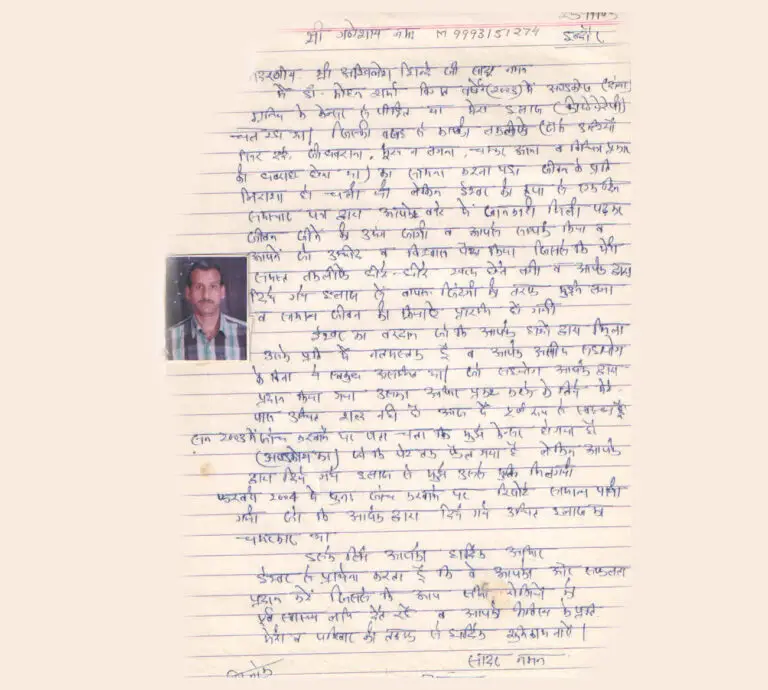
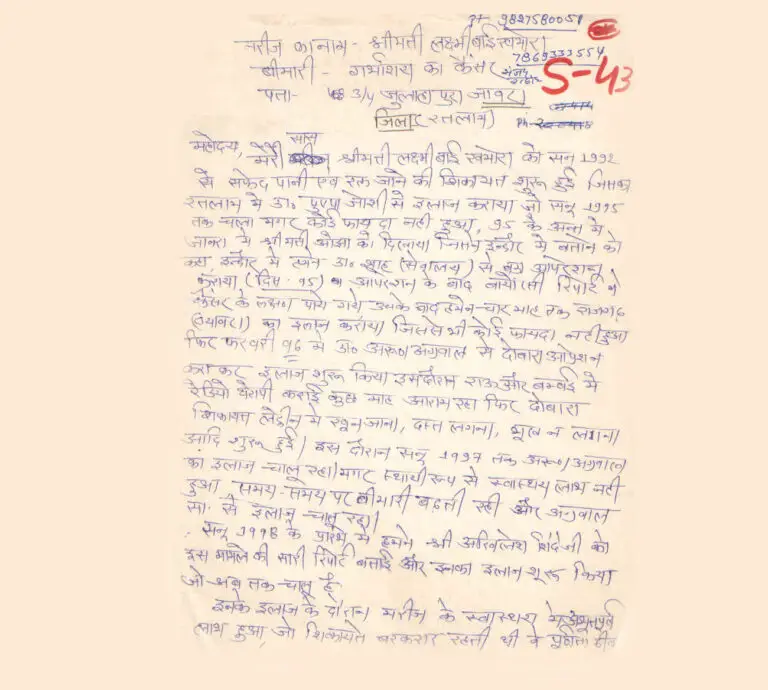
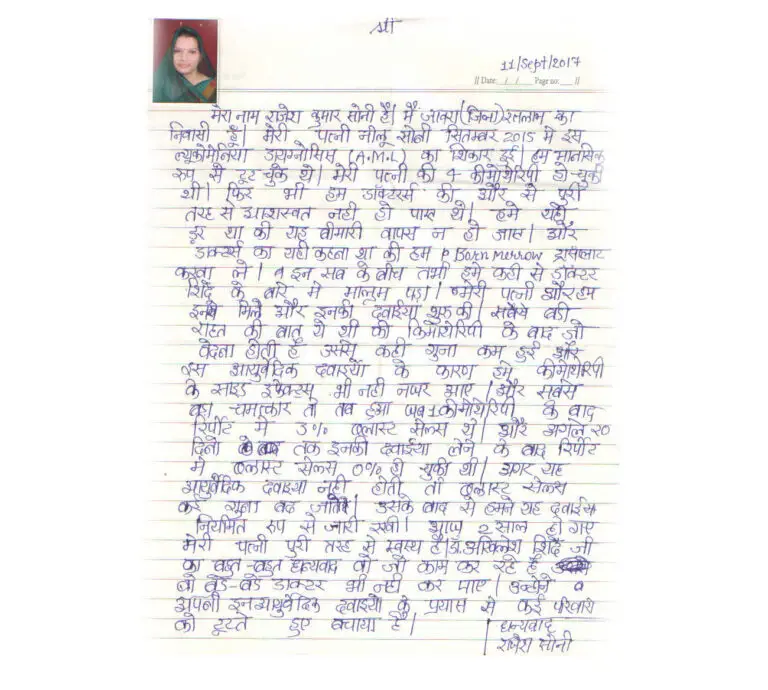
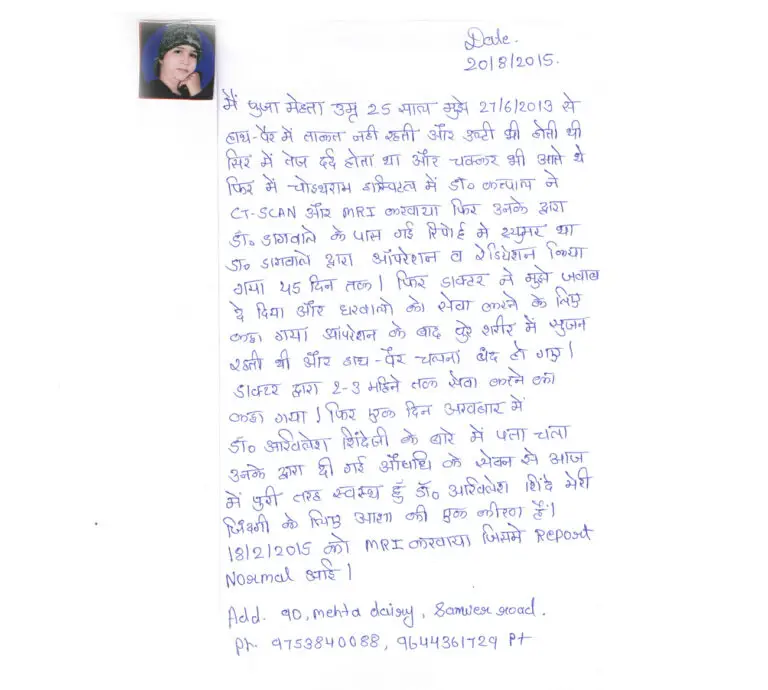
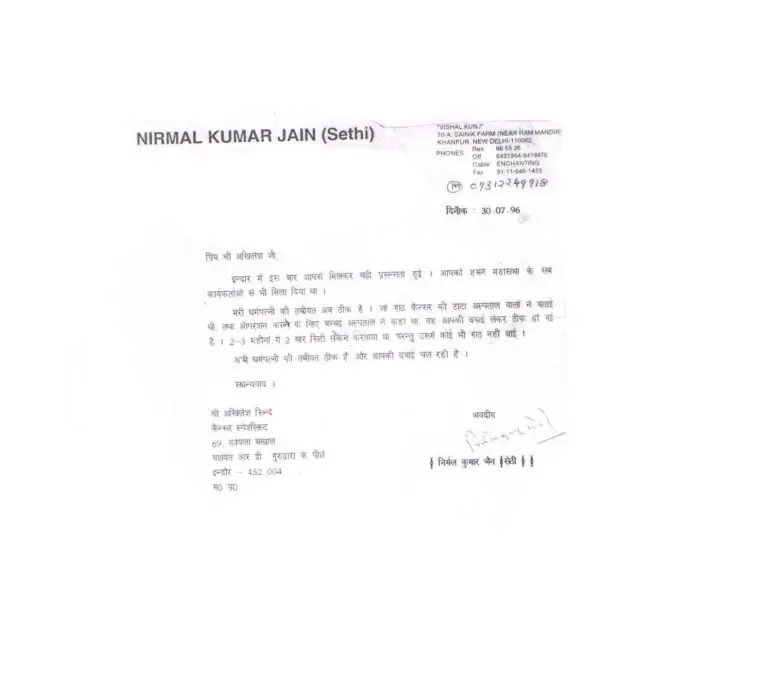
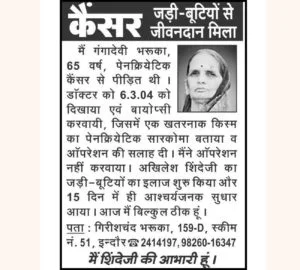
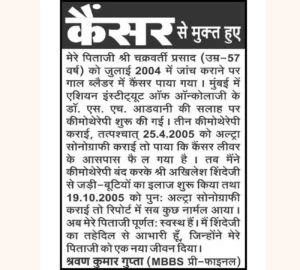
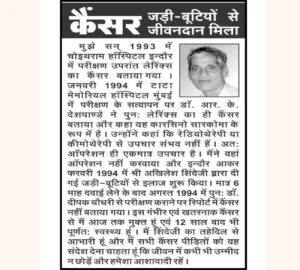
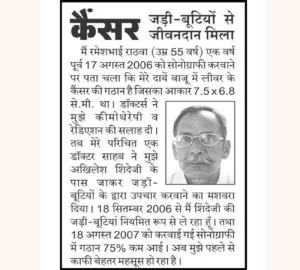
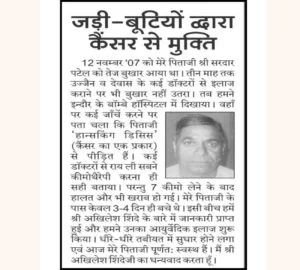
Patient Success Stories
How Ayurveda Understands Breast Cancer
Classical Ayurveda discusses breast disease under stana roga, and tumours under granthi (encapsulated growth) and arbuda (deep, persistent growth). In our clinical framing, breast cancer most often presents as a kapha–medas dominant condition — sluggish tissue metabolism in the fat and lymphatic channels of the breast — frequently with hormonal (artava) involvement and, in aggressive or inflamed presentations, a strong pitta component. This framing is not a substitute for your biopsy report; it is the lens through which we personalise medicine. Two women with the same 'stage 2 ER-positive' diagnosis may receive meaningfully different Ayurvedic plans because their digestion, tissue strength, menstrual history and mental state differ. The modern diagnosis tells us what the disease is; the Ayurvedic assessment tells us what your body needs while fighting it.
Stage-by-Stage Supportive Care
Early stage (I–II), around surgery: pre-operative focus on strength, sleep and digestion so you enter surgery resilient; post-operative herbs for wound healing, lymphatic drainage support after node removal, and gentle scar care. During adjuvant chemotherapy and radiation: cycle-timed support targeting nausea, taste loss, mouth ulcers, fatigue, falling counts and hair-and-skin distress, with radiation skin care for the chest wall. Hormone-therapy years (tamoxifen / aromatase inhibitors): this five-to-ten-year phase is where Ayurveda quietly does some of its best work — joint pain and stiffness from AIs, hot flushes, sleep disturbance, mood and weight changes all have specific herbal and dietary answers. Stage IV / metastatic: goals shift to appetite, bone comfort where skeletal metastases exist, energy for daily life, and emotional steadiness — honest supportive care, coordinated with your oncologist's ongoing treatment.
Herbs and Classical Formulations We Commonly Use
Every prescription is individualised, but breast-cancer support plans at our clinic frequently draw on: Kanchanara (Bauhinia variegata) — the classical herb for granthi and glandular-lymphatic conditions, often as Kanchanara Guggulu; Ashwagandha (Withania somnifera) — strength, sleep and chemotherapy fatigue; Guduchi (Tinospora cordifolia) — immune support and count recovery between cycles; Haridra (Curcuma longa) — the most researched of all, used in absorbable classical formats for its inflammation-modulating tradition; Shatavari (Asparagus racemosus) — tissue nourishment and female-hormonal balance, selected case-by-case in hormone-sensitive disease; and Amalaki (Phyllanthus emblica) — rasayana support rich in natural vitamin C. Doses, anupana (carrier — honey, warm water, milk) and timing differ per patient, and in hormone-receptor-positive cancers we select and dose conservatively, always with your oncologist informed.
Managing Chemotherapy, Radiation and Hormone-Therapy Side Effects
Breast-cancer regimens have predictable rough edges, and our protocols anticipate them rather than chase them. For anthracycline–taxane chemotherapy: anti-nausea herb schedules begin before the infusion day; mouth-ulcer prevention starts in week one, not after ulcers appear; Guduchi-based count support runs between cycles; and taxane-related numbness in fingers and toes (neuropathy) receives early nerve-supportive herbs and medicated-oil application. For radiation: cooling, skin-protective applications for the treated chest wall and practical clothing-and-bathing guidance. For hormone therapy: AI joint pain responds well to anti-inflammatory classical formulations and warm-oil therapy; hot flushes and sleep disruption have specific cooling, calming herb answers. None of this replaces hospital treatment — it makes completing hospital treatment bearable, which is itself a survival factor.
Diet for Breast Cancer Patients
Our breast-cancer diet guidance is practical, not punitive. Chemo weeks: soft, warm, freshly cooked food — moong khichdi, well-cooked vegetables, soft rotis; daytime buttermilk instead of night curd; ginger and ajwain used deliberately for nausea and appetite. Through hormone therapy and beyond: steady weight management matters (excess body fat is hormonally active), so we set realistic targets with kitchen-level instructions rather than crash rules. We moderate, not demonise: deep-fried food, heavy cream sweets and reheated leftovers are paused during treatment; whole grains, seasonal vegetables, pulses, turmeric-in-cooking and good hydration form the spine. Soy in normal Indian dietary amounts is not forbidden; mega-dose supplements of any kind without medical review are.
Questions Women Ask Us About Breast Cancer
Can Ayurveda shrink my breast tumour without surgery?
We will not promise that, and you should be cautious of anyone who does. Surgery, chemotherapy, radiation and hormone therapy are the proven backbone of breast-cancer treatment. Our role is to strengthen you through them, reduce their side effects, and support long-term recovery and immunity afterwards.
I'm on tamoxifen — are your herbs safe with it?
We prescribe around hormone therapy regularly. Herb selection in hormone-sensitive disease is deliberately conservative, timing gaps are maintained, and we will happily share your prescription with your oncologist for their records.
My mother had breast cancer; I'm healthy but worried. Can Ayurveda help prevention?
Sensible support exists — weight management, metabolic and lymphatic health, rasayana herbs in appropriate seasons — alongside the non-negotiables: screening mammography as your doctor advises and prompt evaluation of any lump.
Does treatment continue after my hospital declares remission?
That is precisely when our longest work begins: one to two years of structured rasayana (rejuvenation) protocols for immunity, tissue strength and recurrence-risk-factor management, with gradually spaced follow-ups.
Medical note: Ayurvedic care at our clinic is supportive and integrative. It works alongside — never in place of — the surgery, chemotherapy, radiation or targeted therapy your oncologist prescribes. Always keep your treating doctors informed of every medicine you take.
Learn more about our Ayurvedic cancer clinic in India, explore last-stage cancer support, or see all 28+ cancer types we treat.
Warning Signs Every Woman Should Act On
Most breast cancers found early are highly treatable, so vigilance is medicine. See a doctor promptly — not after the festival, not next month — for: a new lump or thickening in the breast or armpit, however painless; change in breast size, shape or skin (dimpling, puckering, orange-peel texture); nipple changes — newly inverted, discharging blood-stained fluid, or persistently scaly; redness or warmth that doesn't settle in days; and any lump that appears during or after menopause. Monthly self-examination a few days after the period ends, clinical examination yearly after forty, and mammography as your doctor schedules it remain the foundation. Ayurveda's role begins after evaluation, never instead of it — a lump unexamined is a question unanswered, and unanswered questions in oncology only grow more expensive with time.
Why Women Across India Choose Our Clinic for Breast Cancer Support
Breast cancer is our single most consulted condition — four decades, thousands of women, every stage and subtype. Families choose us for specific reasons: protocols built around real regimens (we know what an AC-T cycle week feels like and prescribe for it, not for cancer-in-general); herbs collected and processed under our own quality control rather than bought loose; women-sensitive consultation practice, with female family members welcomed into every video call; complete remote care — most of our breast-cancer patients across India and abroad never need to visit Indore, with reports on WhatsApp, video reviews and couriered medicines; and four decades of honest positioning — supportive, integrative care that strengthens you through hospital treatment and guards the long recovery after it, stated plainly on every page of this site. The first consultation, as always since 1986, is free: +91-8889188821.
Getting Started: What to Send Us
Beginning is simple: photograph and WhatsApp to +91-8889188821 your biopsy report (with receptor status — ER/PR/HER2 — if available), the latest scan summaries, your surgery date or chemotherapy plan, current medicines including any hormone tablets, and a short note on your main daily struggles — nausea, sleep, joint pain, fear. The first video consultation with Dr. Shinde is free and unhurried; your personalised prescription is couriered with a written schedule, and follow-ups track each cycle and each review scan. Women consult us from every state of India and from abroad through this exact pathway — distance changes nothing.
Our Integrative Principle, Stated Plainly
One principle governs every breast-cancer plan we write: hospital oncology and classical Ayurveda are partners with different jobs. Surgery, chemotherapy, radiation and hormone therapy attack the disease; our medicine defends the woman — her digestion, counts, sleep, joints, spirits and long-term resilience. We never advise delaying or abandoning hospital treatment, we disclose every formulation to your oncologist on request, and we measure our success in completed chemo cycles, held body weight, restful nights and the quiet confidence of a patient who feels cared for on every front. That division of labour, honestly kept for four decades, is why oncology-treated patients and their families keep returning to us.
Frequently Asked Questions
I lost my hair in chemo and it's growing back thin. Can Ayurveda help?
Yes — post-chemo hair recovery responds well to patience plus protocol: Bhringraj and Amalaki-based internal support, gentle medicated-oil scalp massage once the oncologist clears it, protein-adequate diet and stress-sleep repair. Regrowth quality typically improves over six to twelve months; we set honest milestones and track them with you at each review.
Understanding Breast Cancer: Causes and Risk Factors
Breast Cancer develops when cells in the affected tissue begin to divide abnormally and escape the body's normal growth controls. While the exact trigger varies by individual, recognised risk factors include genetic predisposition (family history), tobacco and alcohol use, chronic inflammation or infection, environmental and occupational exposures, and — for several cancer types — dietary patterns common in parts of India. Understanding your specific risk profile helps both your oncology team and our Ayurvedic team personalise care: a patient with a strong family history receives different long-term monitoring guidance than one with a primarily lifestyle-linked presentation. India reports approximately 162,468 new breast cancer cases annually (ICMR NCDIR 2022) — the most common cancer among Indian women. This is not meant to alarm you — it is context that helps explain why your doctor ordered specific tests and why our supportive recommendations are tailored, not generic.
Breast Cancer Diagnosis: What the Tests Mean
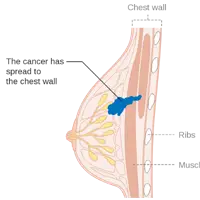
A confirmed breast cancer diagnosis typically involves several steps: initial imaging (ultrasound, CT, MRI or PET scan depending on the suspected site), a biopsy to confirm malignancy at the cellular level, and staging investigations to determine how far the disease has spread. Your pathology report will include details such as tumour grade (how abnormal the cells look under the microscope) and, for several cancers, molecular or receptor markers that guide treatment selection. We frequently help patients understand these reports in plain language during consultation — not to second-guess your oncologist, but so you can ask informed questions and feel less overwhelmed by medical terminology at an already difficult time. Bring your full pathology report, including receptor or marker status where applicable, to your first consultation with us.
Ayurvedic Perspective on Breast Cancer
In classical Ayurvedic texts, conditions resembling breast cancer are discussed under the broader frameworks of Arbuda (deep, persistent tissue growth) and, depending on presentation, Granthi (encapsulated swelling). Our clinical assessment of breast cancer generally identifies a kapha-medas dominant, often with artava (hormonal) involvement and a pitta component in aggressive disease. This Ayurvedic framing does not replace your modern diagnosis — it sits alongside it, helping us understand which supportive therapies, herbs and dietary adjustments are likely to suit your specific constitution (Prakriti) and the doshic pattern of your particular presentation. Two patients with what is medically the identical breast cancer diagnosis and stage may receive meaningfully different Ayurvedic support plans, because their digestion, tissue strength, sleep quality and overall vitality differ.
Standard Medical Treatment for Breast Cancer
The accepted, evidence-based approach to breast cancer — and the treatment your oncology team will discuss with you — typically includes surgery (lumpectomy or mastectomy), chemotherapy, radiation therapy, hormone therapy (tamoxifen, aromatase inhibitors), targeted therapy (Herceptin for HER2-positive disease). We want to be completely clear about this: these standard treatments are the proven, primary approach to breast cancer, and nothing on this page or anywhere on our website should be read as a substitute for them. Our role, consistently stated across four decades of practice, is to support your body through these treatments — improving your tolerance of side effects, protecting your nutritional status, and helping you complete your prescribed treatment course with better quality of life. Patients who ask us "should I skip chemotherapy and just do Ayurveda" receive the same honest answer every time: no. Combine both, coordinated, and you give yourself the best outcome.
Recognising Breast Cancer Symptoms Early
Early detection meaningfully improves outcomes across virtually all cancer types, including breast cancer. Symptoms that warrant prompt medical evaluation include a new lump or thickening in the breast or armpit, change in breast size or shape, skin dimpling or puckering, nipple inversion or discharge, persistent redness or warmth. new lump or thickening, however painless; change in breast size, shape or skin texture; nipple changes; redness that doesn't settle; lumps appearing during or after menopause. If you are experiencing any combination of these signs, please see a qualified doctor for proper diagnostic evaluation before exploring any supportive or complementary approach — a delayed diagnosis is the single biggest controllable risk factor in cancer outcomes, and no herbal formulation is worth that delay.
Managing Treatment Side Effects of Breast Cancer Therapy
Breast Cancer treatment, while necessary and effective, comes with predictable side effects that our protocols are specifically designed to ease: nausea from anthracycline-taxane regimens, mouth ulcers, falling blood counts, taxane-related neuropathy, radiation skin reactions on the chest wall, AI joint pain, hot flushes. We anticipate these rather than wait for them to appear — for example, anti-nausea herbal protocols often begin before a chemotherapy infusion rather than after symptoms start, and mouth-care routines begin in week one of radiation rather than once ulcers have already formed. None of this changes or delays your treatment schedule; it runs alongside it, coordinated with your treating oncologist who remains informed of every formulation we prescribe.
Breast Cancer Diet and Nutrition Guidance
Nutrition plays a measurable role in how well patients tolerate breast cancer treatment and how quickly they recover between cycles. Our general guidance includes soft warm khichdi during chemo weeks, daytime buttermilk over night curd, ginger and ajwain for nausea, steady weight management through hormone therapy, whole grains and seasonal vegetables. We avoid rigid, one-size-fits-all diet sheets — what works for a patient mid-chemotherapy with significant nausea differs from what suits the same patient six months into recovery. At consultation, we build a practical, kitchen-level diet plan around your current treatment phase, appetite, and any specific restrictions your oncology or surgical team has given you (such as low-sodium guidance for fluid retention, or low-fibre guidance immediately post-bowel-surgery).
Herbal Support Commonly Used for Breast Cancer
While every prescription is individualised after assessment, breast cancer supportive care at our clinic frequently draws on Kanchanara (Bauhinia variegata) for glandular conditions, Ashwagandha for strength and chemo fatigue, Guduchi for immune and count recovery, Haridra (turmeric) for inflammation, Shatavari for hormonal balance, Amalaki for rasayana support. These are not sold as standalone over-the-counter products from our clinic — they are prepared as part of a personalised formulation, with dose, carrier substance (anupana) and timing adjusted to your treatment phase, current medications, and constitution. We disclose every formulation to your oncologist on request, and we actively check for any known interactions with your prescribed chemotherapy, targeted therapy or hormone therapy before recommending anything.
Breast Cancer Recovery and Long-Term Wellness
The period after active breast cancer treatment concludes — whether that means surgical recovery, completion of a chemotherapy course, or transition to maintenance therapy — is where much of our longest-term work happens. Typically this involves twelve to twenty-four months of structured Rasayana (rejuvenation) protocols aimed at rebuilding strength, supporting immune function, and addressing any lingering treatment-related symptoms such as fatigue, neuropathy or digestive changes. We coordinate spaced follow-up consultations during this period, generally aligned with your oncology team's own follow-up and surveillance schedule, so that your recovery is monitored from both perspectives simultaneously.
Frequently Searched Questions About Breast Cancer Treatment in India
What is the survival rate for breast cancer in India?
Survival rates for breast cancer vary significantly by stage at diagnosis, specific subtype, and access to timely treatment — figures published by international registries do not always reflect outcomes in every Indian treatment setting. Rather than focusing on population-level statistics, we encourage patients to have a direct, specific conversation with their oncologist about their individual prognosis based on their exact diagnosis, stage and treatment response, since this is far more meaningful than any general percentage.
Can breast cancer be treated without chemotherapy?
This depends entirely on the cancer type, stage and individual case — some early-stage cancers are treated with surgery alone, while others genuinely require chemotherapy, radiation or a combination as the evidence-based standard of care. This decision belongs to your oncology team based on your specific pathology and staging, not to us, and we will never suggest avoiding indicated chemotherapy in favour of herbal treatment alone.
How much does Ayurvedic support for breast cancer cost at your clinic?
Consultation with Dr. Shinde's team has never carried a consultation fee since the clinic's founding in 1986 — you pay only a modest amount for the herbal medicines themselves, which varies based on your specific formulation and treatment duration. We discuss exact costs transparently during your first free consultation, with no obligation to continue if the approach isn't right for you.
Is it safe to start Ayurvedic treatment for breast cancer immediately after diagnosis?
Yes, and in fact earlier is generally better — starting supportive care from the time of diagnosis, even before your first chemotherapy cycle or surgery date, allows us to help build baseline strength, address anxiety and sleep disruption, and prepare your digestive system for the demands ahead. Many of our most successful long-term patients began consultation in the days immediately following their breast cancer diagnosis.
Yes. Ayurvedic treatment can be used as complementary therapy alongside chemotherapy and radiation to help reduce side effects and improve immunity. Always consult your oncologist before combining treatments.
Yes! Dr. Shinde does not charge any fee for consultancy and only charges a very nominal amount for medicines. First consultation is absolutely FREE.
Absolutely. We provide online consultations via WhatsApp and phone for patients across India and internationally. Share your medical reports at +91-8889188821.
Treatment duration varies based on stage of cancer, individual response, and goals. Ayurvedic care is usually long-term, focusing on sustained improvement and quality of life.
Ayurvedic treatment for Breast Cancer at Dr. Shinde's clinic involves personalized herbal formulations, Panchakarma detoxification, dietary therapy and immunity-boosting protocols designed for each patient's unique Prakriti (body constitution).