This Page Is Being Built
We are currently creating comprehensive content for this page. In the meantime, please book a free consultation or call us at Ayurveda cancer research evidence.
Our Approach to Evidence
We believe patients deserve transparency about the evidence base behind any treatment recommendation, including Ayurvedic supportive care. This page outlines the categories of evidence we draw upon and, equally importantly, the limitations of that evidence — because honest evidence communication means acknowledging what we don't yet know as much as what research does support.
Evidence for Specific Herbs Used in Cancer Supportive Care
Several herbs commonly used in our formulations have published research, primarily preclinical (laboratory and animal) studies with a smaller but growing body of human clinical research. Ashwagandha (Withania somnifera) has published research examining its effects on stress, fatigue and immune markers in cancer patients, including some randomized controlled trials suggesting quality-of-life benefits during chemotherapy. Curcumin (from turmeric) has extensive preclinical research into anti-inflammatory mechanisms, with human clinical trials in cancer populations showing mixed but generally promising results for specific applications like oral mucositis prevention. Guduchi (Tinospora cordifolia) has preclinical immunomodulatory research, though robust human clinical trials specifically in cancer populations remain limited. We cite specific studies during consultation when relevant to a patient's situation, while being clear that evidence quality varies considerably by herb and by specific claimed benefit.
What This Evidence Does and Does Not Show
It is important to be precise: published research on these herbs generally examines quality-of-life outcomes, symptom management, and biological markers — not cancer cure rates, tumour shrinkage, or survival outcomes. No credible published research supports Ayurvedic herbs as a cure for cancer or a replacement for standard oncology treatment, and we do not claim otherwise anywhere on this website. The evidence we reference supports a more modest but still meaningful claim: that certain herbs, used thoughtfully alongside conventional treatment, may help patients tolerate treatment better and experience improved quality of life during a difficult period.
Evidence Hierarchy We Reference
When evaluating evidence for our formulations and recommendations, we draw on (in rough order of strength): systematic reviews and meta-analyses where available, randomized controlled trials in human cancer populations, smaller human clinical studies and case series, preclinical laboratory and animal research, and classical Ayurvedic textual references combined with our clinic's own four decades of accumulated clinical experience. We are transparent about which category supports any specific recommendation we make, rather than presenting all evidence as equally robust.
Indian Cancer Statistics We Reference
Population-level cancer statistics referenced across our website draw primarily from the Indian Council of Medical Research (ICMR) National Cancer Registry Programme, supplemented by World Health Organization Global Cancer Observatory data for international comparisons. These sources provide the most reliable, regularly updated picture of cancer incidence and patterns across Indian states.
Ongoing Commitment to Evidence-Informed Practice
As new research emerges on Ayurvedic interventions in oncology supportive care — a genuinely growing field of academic interest — we update our clinical practice and website content accordingly. We do not claim our approach is purely "evidence-based" in the strictest clinical-trial sense across every formulation we use; much of Ayurvedic medicine, like much of complementary medicine globally, operates with a combination of traditional use, emerging research, and accumulated clinical experience. We believe patients deserve this honest framing rather than overstated evidence claims.
Questions About the Evidence Behind Your Treatment
We welcome and encourage patients to ask specifically about the evidence behind any formulation we recommend for their situation. During consultation, our clinical team is happy to discuss the specific rationale — whether research-based, traditionally-based, or a combination — behind any herb or protocol suggested for your individual care.
Specific Published Research We Draw Upon
Beyond general herb categories, our clinical practice references specific published research where relevant to a patient's situation. This includes studies examining Ashwagandha's effects on cancer-related fatigue and quality of life, research into curcumin's role in managing oral mucositis during head and neck cancer radiation treatment, and broader quality-of-life research examining integrative oncology approaches generally. We maintain awareness of this evolving research landscape and discuss specific relevant studies with patients when appropriate to their individual situation.
Limitations of Current Research We Acknowledge
Much existing research on Ayurvedic herbs in oncology supportive care involves smaller sample sizes than ideal, varying methodological quality, and significant gaps in research specifically conducted within Indian patient populations using formulations comparable to traditional Ayurvedic preparation methods. We are transparent about these limitations rather than overstating the strength of available evidence.
Our Own Clinical Observation as a Form of Evidence
While not equivalent to formal clinical trial evidence, our nearly four decades of consistent clinical practice across thousands of patients represents a substantial body of accumulated observational experience. We track patterns across this experience — which formulations patients report finding helpful for which symptoms, what timing approaches seem to work best — while being careful not to overstate this experiential knowledge as equivalent to rigorous research evidence.
How We Communicate Evidence Levels to Patients
During consultation, we aim to communicate evidence quality honestly and accessibly — distinguishing clearly between "this herb has solid clinical trial evidence for this specific benefit" versus "this herb has a long traditional use history with limited modern research" versus "this is based primarily on our clinical observation across many patients." We believe patients deserve this nuanced communication rather than blanket claims of "proven effectiveness" regardless of actual evidence quality.
Contributing to the Evidence Base
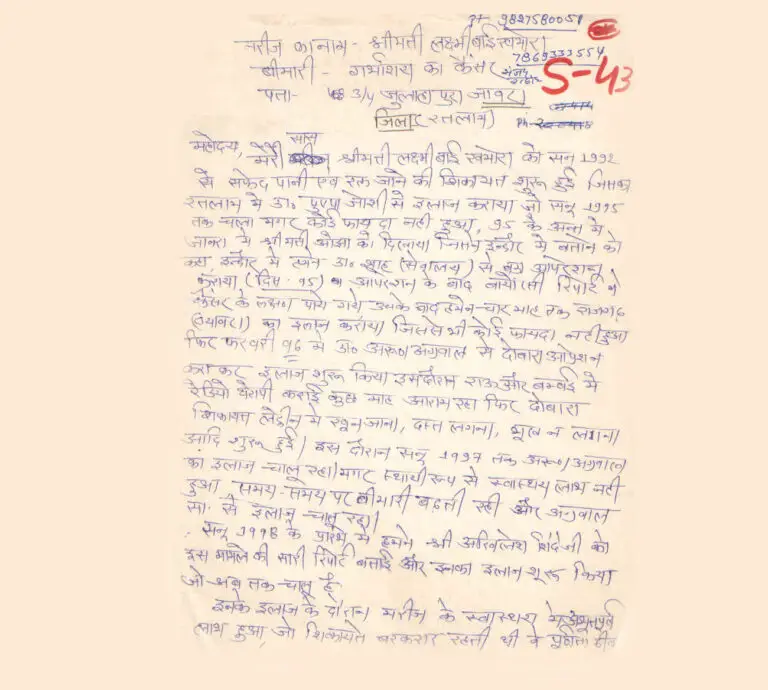
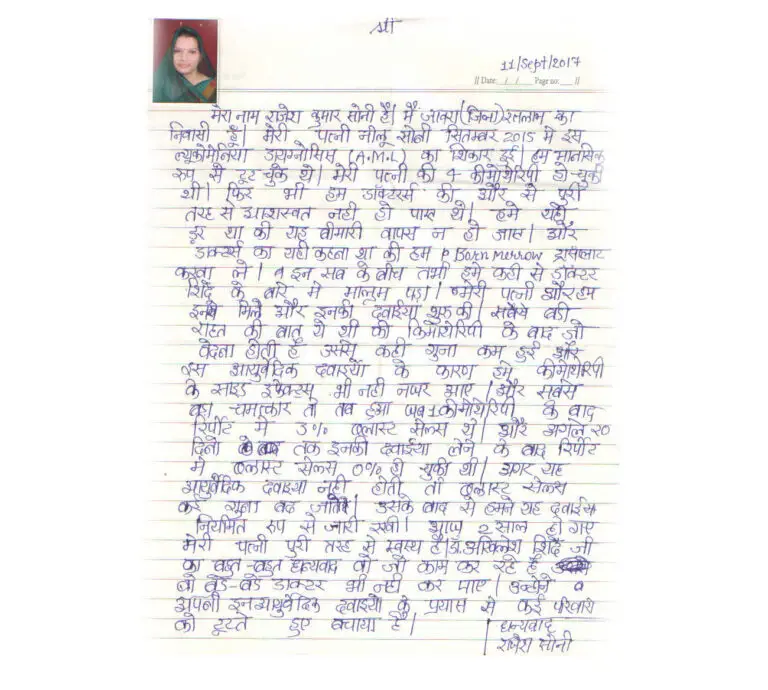
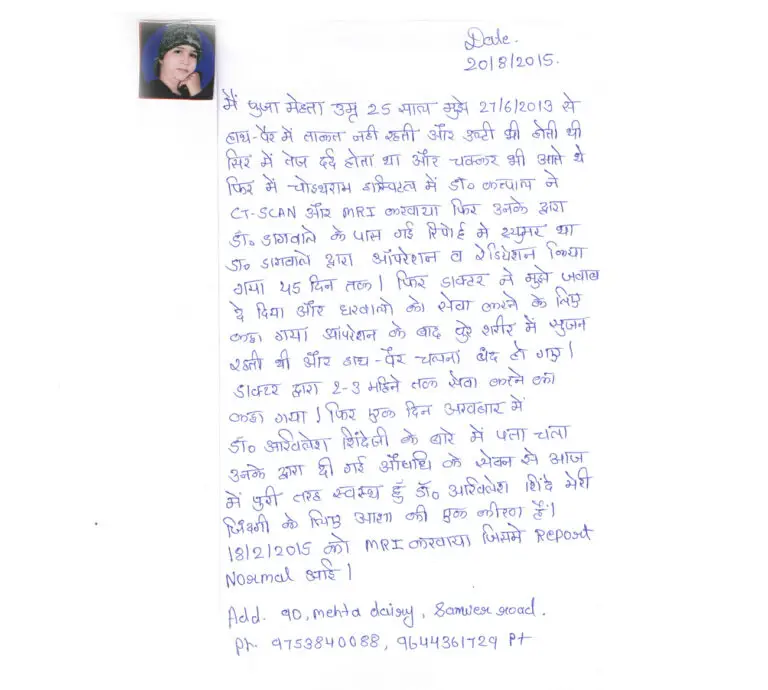
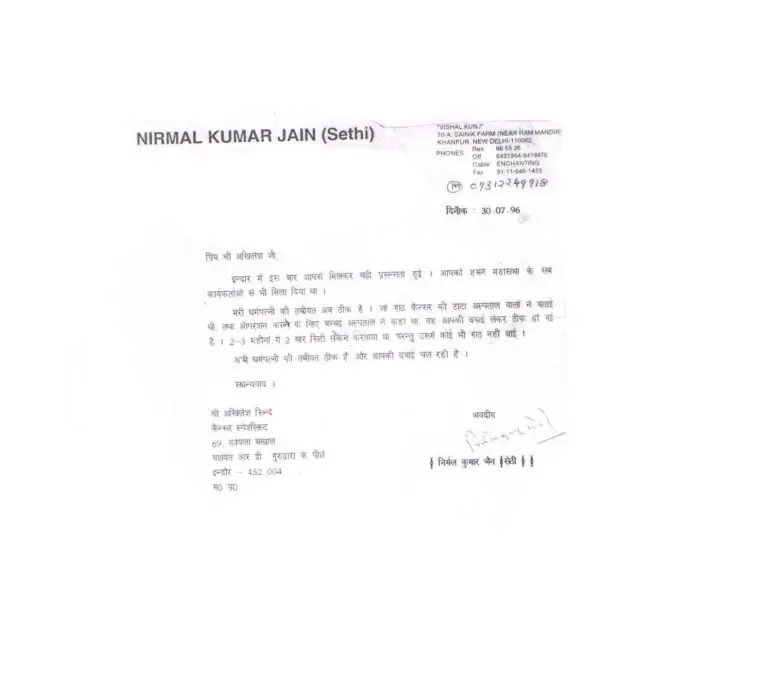
While we have not yet formally published clinical research from our own patient population, we maintain detailed records of patient outcomes and experiences that could, in principle, contribute to future research collaboration with academic institutions interested in integrative oncology research. We remain open to appropriate research partnerships that could help formalise and validate aspects of our accumulated clinical experience.
A Detailed Look at Ashwagandha Research
Ashwagandha (Withania somnifera) represents one of the more extensively researched herbs in our formulary. Published research has examined its effects on cortisol levels and stress markers, sleep quality, and general quality-of-life measures in cancer patients undergoing treatment. Some randomized controlled trials, though generally with modest sample sizes, have found improvements in fatigue and quality-of-life scores among chemotherapy patients receiving ashwagandha supplementation compared to control groups. We consider this among our better-evidenced herbs, while still acknowledging that larger, more rigorous trials would strengthen confidence in these findings.
A Detailed Look at Curcumin Research
Curcumin, the active compound in turmeric, has attracted substantial research interest across oncology broadly, examining both potential direct anti-inflammatory benefits and specific applications like prevention of radiation-induced and chemotherapy-induced oral mucositis. Bioavailability remains a genuine challenge with curcumin — the compound is poorly absorbed in its raw form, which is why we use specific classical preparation methods designed to enhance absorption, an important practical detail that distinguishes thoughtful clinical application from simply recommending raw turmeric powder.
Areas Where Evidence Remains Genuinely Limited
We believe honest evidence communication requires acknowledging where evidence remains thin. Several herbs in traditional Ayurvedic oncology supportive care have limited modern clinical research specifically examining their use in cancer patients, relying more heavily on traditional use history and our own accumulated clinical observation. We use these herbs more cautiously and communicate this evidence limitation clearly to patients when relevant, rather than overstating confidence in interventions with genuinely limited research support.
Methodological Considerations in Evaluating Ayurvedic Research
Evaluating research on classical Ayurvedic formulations presents particular methodological challenges — formulations often combine multiple herbs in specific preparations that can be difficult to standardise for research purposes, traditional preparation methods (like specific processing techniques believed to affect bioavailability and efficacy) aren't always replicated in research settings using simplified extracts, and research conducted in different countries sometimes uses different sourcing and preparation standards that complicate direct comparison. We consider these methodological nuances when evaluating how confidently any specific research finding applies to our own clinical formulations.
Engaging With Skeptical Perspectives
We believe genuine evidence-engagement requires taking skeptical perspectives on Ayurvedic medicine seriously rather than dismissing them. Legitimate scientific skepticism about insufficiently-proven complementary medicine claims has historically protected patients from ineffective or even harmful unproven treatments. We aim to practise in a way that would satisfy reasonable scientific skepticism — making modest, evidence-proportionate claims, maintaining rigorous safety screening, and never positioning our supportive care as a substitute for proven conventional treatment.
Frequently Overlooked Questions Patients Ask Us
Beyond the most common questions, patients occasionally raise more nuanced concerns that deserve equally thoughtful answers. Some wonder whether their specific genetic or family cancer history should influence their integrative care approach — and while we're not genetic counsellors, we do consider relevant family history context during consultation, particularly for cancers with known hereditary patterns like certain breast and ovarian cancers. Others ask whether their specific dietary background or cultural food practices need adjustment — we work within each patient's existing food culture rather than imposing unfamiliar dietary frameworks, finding ways to apply Ayurvedic nutritional principles using familiar regional ingredients and cooking methods.
How We Approach Uncertainty and Difficult Questions
Cancer treatment inevitably involves uncertainty — about prognosis, about how a patient will respond to specific treatments, about what the future holds. We don't pretend to have answers we don't have, and we're comfortable acknowledging uncertainty honestly with patients rather than offering false confidence to ease difficult conversations. We've found that patients generally appreciate this honesty more than they would appreciate comforting but ultimately hollow reassurance that doesn't reflect genuine medical uncertainty.
Our Broader Commitment to evidence-Informed Practice
Evidence-Informed Practice represents just one dimension of the comprehensive, integrative supportive care our clinic provides. We encourage you to explore other relevant pages on our website, or simply reach out directly with any questions specific to your situation that this page hasn't fully addressed. Our team remains available via WhatsApp at +91-8889188821 for any follow-up questions, with no obligation beyond an honest, informative conversation about how we might be able to support your specific cancer care journey.
Why We Take the Time to Explain Things Thoroughly
We recognise this page contains more detailed information than many websites provide on similar topics. This is deliberate. A cancer diagnosis brings an overwhelming volume of new information, decisions and uncertainty into a patient's life, and we believe thorough, honest, accessible explanation — rather than brief, superficial content — genuinely serves patients trying to make informed decisions during an exceptionally difficult time. We would rather a patient spend extra minutes reading comprehensive, useful information than leave our website with unanswered questions or an incomplete understanding of what we offer and how we approach cancer care.
Connecting What You've Read to Your Own Situation
Every cancer journey is different, and while this page provides general information relevant to many patients, your specific situation — your cancer type, stage, treatment plan, overall health, and personal circumstances — deserves individualised attention that no website page, however thorough, can fully replace. We encourage you to use this content as a foundation for understanding, then bring your specific questions and circumstances to a free consultation where we can address your situation directly and personally.
Take the Next Step
Whether you're ready to book a consultation today or simply want to keep this information for future reference as you consider your options, we're here whenever you're ready. Call or WhatsApp +91-8889188821, available Monday through Saturday, 11AM to 6PM IST, with online consultation options available for patients unable to visit our Indore clinic in person. As always, your first consultation comes at no cost — a practice we've maintained since 1986 and will continue maintaining as a core commitment to accessible, honest cancer care support.
A Closing Thought on Trust in Cancer Care
Trust between a patient and any healthcare provider — conventional or complementary — forms the foundation of effective care, perhaps nowhere more so than in the emotionally charged context of a cancer diagnosis. We've worked to earn that trust over nearly four decades through consistent actions rather than words alone: transparent communication about what we can and cannot offer, genuine coordination with conventional oncology rather than competing claims, accessible consultation regardless of a patient's financial circumstances, and honest acknowledgment of evidence limitations rather than overstated promises. We hope this consistent approach, reflected throughout this website, gives you confidence in considering whether our integrative supportive care might have a place in your own cancer care journey, or that of someone you love.
We're glad you took the time to read through this page in full, and we hope it has given you a clearer, more complete picture of how we approach this aspect of integrative cancer care at our clinic.
We're glad you took the time to read through this page in full, and we hope it has given you a clearer, more complete picture of how we approach this aspect of integrative cancer care at our clinic.
We're glad you took the time to read through this page in full, and we hope it has given you a clearer, more complete picture of how we approach this aspect of integrative cancer care at our clinic.
We're glad you took the time to read through this page in full, and we hope it has given you a clearer, more complete picture of how we approach this aspect of integrative cancer care at our clinic.