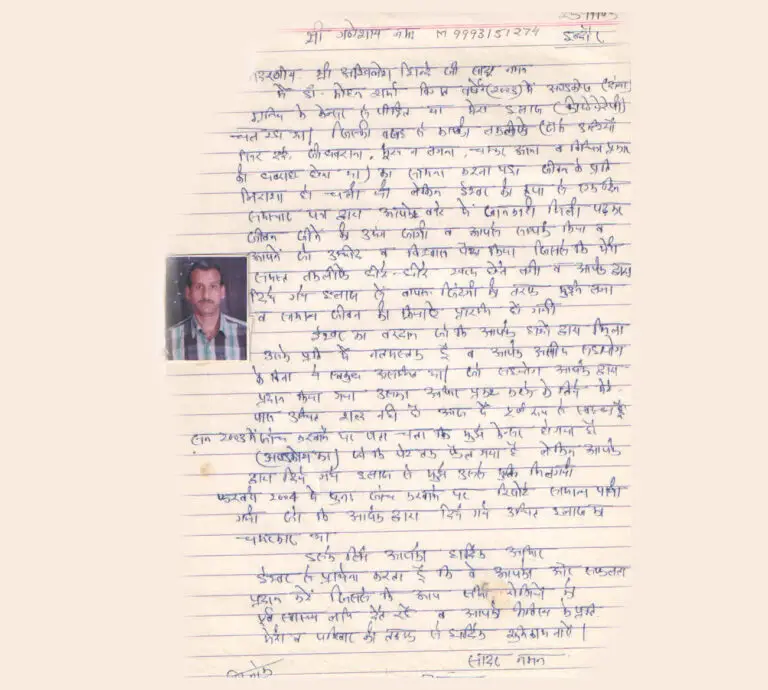
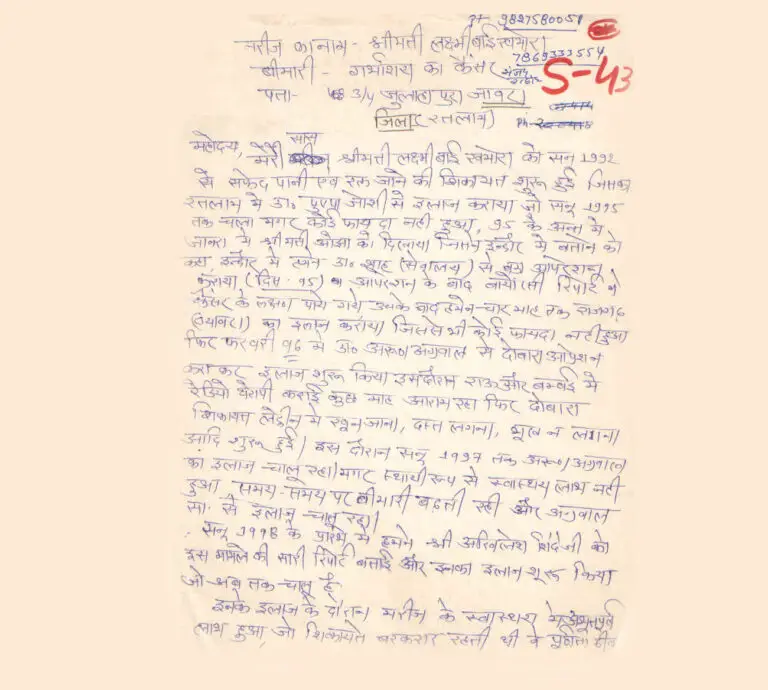
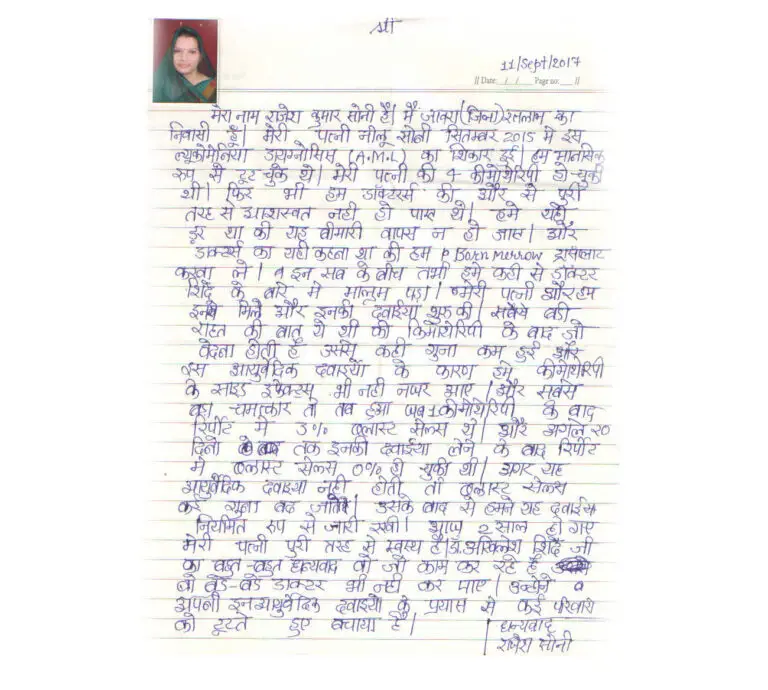
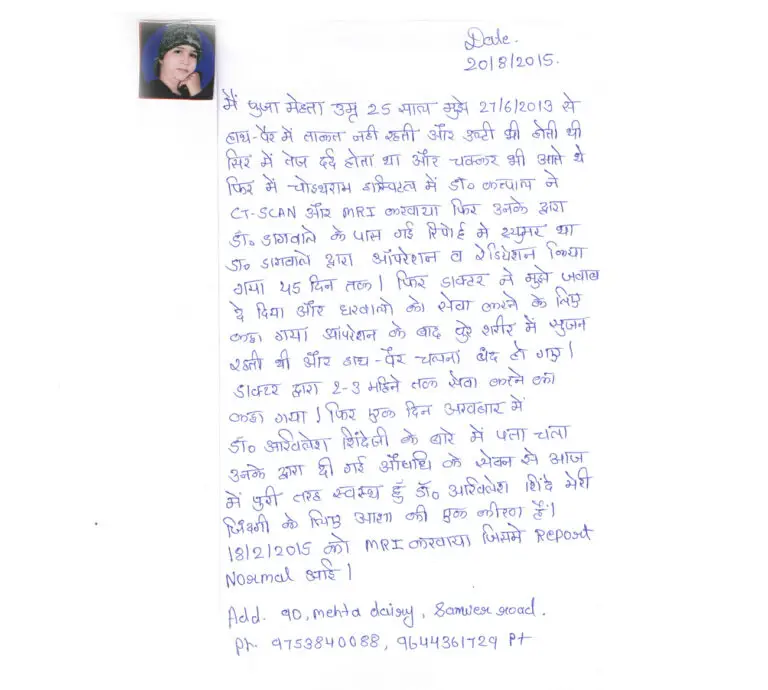
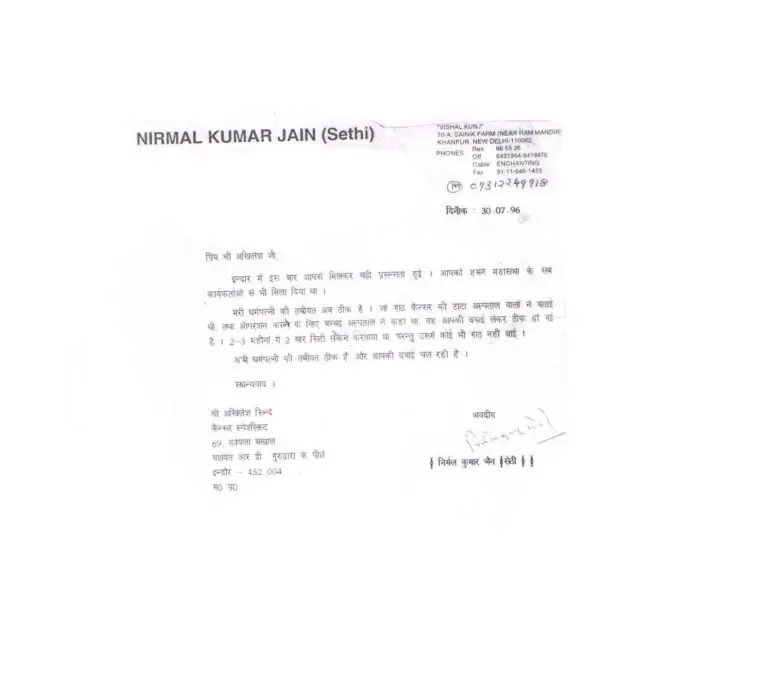
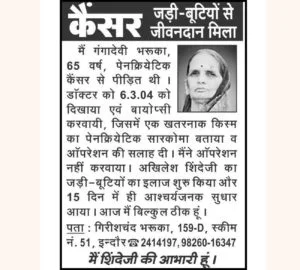
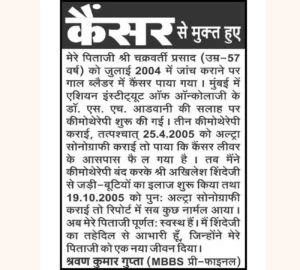
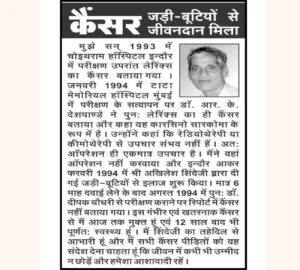
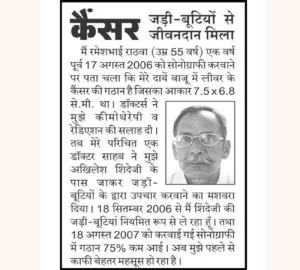
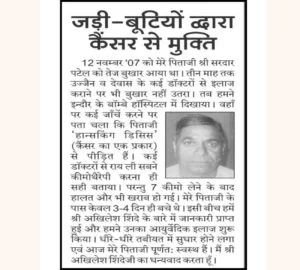
Real patients, real recoveries — success stories and testimonials from Dr. Shinde's Ayurvedic Cancer Care Clinic, Indore.
Survivorship begins the moment of diagnosis and continues for the rest of a patient's life — it is not simply the period after active treatment ends, though that transition brings its own distinct challenges. Many of our long-term patients describe the post-treatment phase as unexpectedly difficult: the intense medical attention of active treatment gives way to a quieter period of follow-up scans and uncertainty, often accompanied by what survivors call "scanxiety" — anxiety around upcoming surveillance imaging. Understanding this emotional landscape is central to how we structure long-term Rasayana (rejuvenation) support for survivors, addressing not just physical recovery but the psychological adjustment that follows a cancer diagnosis.
Recovery from cancer treatment follows different timelines depending on treatment type. Post-surgical patients typically see wound healing and functional recovery over weeks to months; chemotherapy patients often experience gradually improving energy and appetite over three to six months after their final cycle, though some effects like neuropathy can persist longer; radiation patients may see skin and tissue effects continue resolving for up to a year. Throughout this recovery period, we track specific markers with each patient — energy levels, sleep quality, appetite and weight stability, and any persistent treatment-related symptoms — adjusting Rasayana protocols as recovery progresses rather than applying a fixed timeline to every individual.
While we make no claims about preventing cancer recurrence specifically, we do support survivors in adopting lifestyle patterns generally associated with better long-term health outcomes: maintaining a healthy weight, regular gentle physical activity as cleared by the oncology team, stress management practices, adequate sleep, and a whole-food, minimally processed diet. These recommendations align closely with general oncology survivorship guidance and represent sensible, evidence-informed lifestyle support rather than any specific anti-cancer claim.
Cancer affects entire families, not just the diagnosed individual. We regularly welcome spouses, adult children and other family caregivers into consultations, recognising that caregiver burnout is a real and under-addressed challenge in cancer care. Practical guidance for caregivers — managing their own stress, recognising signs of caregiver fatigue, and understanding when professional psychological support may help — forms part of our broader survivorship conversation, even though our direct clinical focus remains the patient.
Over nearly four decades, thousands of patients have moved through our clinic from diagnosis into survivorship. While we maintain patient confidentiality and do not publish identifying details without explicit consent, the patterns we observe across this community are consistent: patients who engage early with integrative supportive care alongside their oncology treatment frequently report better treatment tolerance, and those who continue structured post-treatment Rasayana protocols describe a smoother, more confident transition into long-term survivorship. If you are a survivor seeking ongoing wellness support, or newly diagnosed and wanting to understand what the road ahead may involve, we welcome a free consultation to discuss your specific situation.
Nutrition needs often shift meaningfully once active treatment ends. During chemotherapy or radiation, the priority is often simply maintaining adequate calorie and protein intake despite appetite suppression. In survivorship, attention typically shifts toward rebuilding strength, addressing any lingering nutritional deficiencies, and establishing sustainable long-term eating patterns. We work with survivors to gradually reintroduce dietary variety that may have been restricted during treatment, while maintaining the anti-inflammatory, whole-food foundation that supports continued recovery.
Some treatment effects persist well beyond active treatment — chemotherapy-induced neuropathy can take months or longer to resolve, radiation effects on treated tissue may continue evolving for a year or more, and hormone therapy side effects (for cancers like breast and prostate cancer requiring multi-year hormone treatment) require ongoing management throughout the treatment period itself. We provide continued supportive care addressing these specific lingering effects, adjusted as they gradually improve or, in some cases, stabilise as a "new normal" patients learn to manage.
The psychological experience of survivorship is complex and often underappreciated by those outside the cancer community. Many survivors describe a paradoxical experience: relief and gratitude alongside persistent anxiety about recurrence, identity questions about who they are now that "cancer patient" is no longer their primary daily reality, and sometimes a sense of disconnection from support systems that were heavily mobilised during active treatment but naturally recede afterward. While we are not psychological counsellors, our consultations create space to discuss these dimensions, and we readily refer patients to appropriate mental health support when that would serve them better than what we can offer.
We encourage every survivor to develop, ideally in consultation with their oncology team, a clear survivorship care plan — documenting their treatment history, ongoing surveillance schedule, specific symptoms to watch for, and contact information for their care team. Our integrative support complements this formal survivorship plan, addressing the daily quality-of-life dimensions that sit alongside, but are distinct from, the medical surveillance schedule.
The five-year survival milestone, while medically significant for many cancer types as a marker of reduced recurrence risk, doesn't mark an endpoint to the survivorship journey for most patients. Many of our long-term patients continue periodic check-ins well beyond five years, particularly those managing lasting treatment effects or simply valuing the continued relationship and accountability for maintaining healthy lifestyle patterns established during their active recovery period.
Survivorship experience varies considerably by cancer type. Breast cancer survivors often navigate years of ongoing hormone therapy with its associated side effects. Blood cancer survivors may face longer-term immune system considerations even after successful treatment. Head and neck cancer survivors frequently manage lasting effects on swallowing, taste and oral health. We tailor our long-term Rasayana protocols specifically to these cancer-type-specific survivorship considerations rather than applying generic "post-cancer" wellness advice.
Many survivors describe returning to work and normal daily activities as both a welcome milestone and a source of unexpected stress — colleagues and even family members sometimes expect a return to "normal" faster than survivors feel ready for, particularly given lingering fatigue or cognitive changes some patients experience (sometimes called "chemo brain"). We discuss these practical reintegration challenges during survivorship consultations, offering both physical supportive measures and honest validation that this adjustment period is genuinely difficult and takes time.
For younger survivors, questions about fertility and family planning after cancer treatment often become prominent during the survivorship phase. While these conversations primarily belong with reproductive endocrinology specialists, we support survivors navigating this dimension with general strength-building Rasayana protocols and open discussion about how their specific treatment history might be relevant to these family-planning conversations with appropriate specialists.
While we maintain strict patient confidentiality and don't formally facilitate patient-to-patient connections without explicit mutual consent, some of our long-term patients have, with appropriate consent, connected with newer patients facing similar diagnoses — finding peer support meaningful in ways that clinical relationships alone cannot fully provide. If this kind of connection interests you, mention it during consultation and we can discuss appropriate, consent-based ways to facilitate it.
Understanding what's happening physiologically during the survivorship period helps contextualise why recovery often takes longer than patients expect. Chemotherapy affects rapidly dividing cells throughout the body, not just cancer cells, meaning tissues like bone marrow, digestive lining and hair follicles require time to fully recover their normal function after treatment ends — typically months rather than days or weeks. Radiation effects on treated tissue can continue evolving, sometimes worsening before improving, for up to a year or more after treatment completion. Understanding this physiological reality helps survivors set realistic expectations rather than becoming unduly alarmed by a recovery timeline that feels slower than hoped.
Certain cancer treatments, particularly some chemotherapy drugs and chest-area radiation, carry long-term cardiovascular risk considerations that survivorship care should address. Similarly, hormone therapy for breast and prostate cancer can affect metabolic health, including bone density and cardiovascular risk factors, over the years-long treatment duration common for these cancers. We coordinate with patients' oncology and cardiology teams where relevant, supporting overall cardiovascular and metabolic health through dietary guidance and lifestyle support appropriate to each survivor's specific treatment history.
Several cancer treatments — chemotherapy, certain hormone therapies, and long-term steroid use — can affect bone density, increasing fracture risk during survivorship. We support bone health through appropriate dietary guidance (adequate calcium and vitamin D intake), weight-bearing exercise recommendations coordinated with what your oncology team has cleared, and specific Ayurvedic formulations traditionally used for bone-tissue support, always within the context of any bone-density monitoring your oncology team has recommended.
Many cancer survivors report lasting cognitive changes after chemotherapy — difficulty concentrating, memory lapses, or a general sense of mental fog often called "chemo brain" in patient communities. While the precise mechanisms remain an active area of research, we support survivors experiencing these changes through Brahmi and similar traditionally cognitive-supportive herbs, alongside practical strategies like structured routines and memory aids, while encouraging formal cognitive assessment through appropriate medical channels if symptoms significantly affect daily functioning.
The survivorship experience differs considerably across life stages — young adult survivors navigating career, relationship and family-planning decisions after cancer; midlife survivors balancing ongoing recovery with work and caregiving responsibilities for their own children or aging parents; and older survivors managing cancer recovery alongside other age-related health considerations. We tailor our survivorship support conversations to these different life-stage contexts rather than applying generic survivorship guidance regardless of a patient's broader life circumstances.
While our integrative support addresses many dimensions of survivorship, certain situations warrant additional specialist involvement beyond what we can offer — significant depression or anxiety warranting psychological or psychiatric support, lymphedema requiring specialised physical therapy, fertility concerns requiring reproductive endocrinology consultation, or persistent physical symptoms warranting further oncology investigation to rule out recurrence. We actively identify and refer to these specialist resources when a survivor's needs extend beyond our integrative scope.
Cancer survivorship as a distinct field of medical research and clinical attention has grown substantially in recent decades, reflecting improving cancer survival rates that mean more patients than ever are living for extended periods after their treatment concludes — and require dedicated attention to the unique medical and psychosocial needs this growing survivor population experiences, needs that differ meaningfully from both active-treatment care and from general preventive health maintenance for those without a cancer history.
Some of our earliest patients from the clinic's founding years in the late 1980s remain in periodic contact with us decades later, a testament to both their successful long-term outcomes and to the kind of sustained, relationship-based care model we've maintained throughout our practice's history. We consider this ongoing connection with long-term survivors among the most meaningful aspects of our clinical work.
Beyond the most common questions, patients occasionally raise more nuanced concerns that deserve equally thoughtful answers. Some wonder whether their specific genetic or family cancer history should influence their integrative care approach — and while we're not genetic counsellors, we do consider relevant family history context during consultation, particularly for cancers with known hereditary patterns like certain breast and ovarian cancers. Others ask whether their specific dietary background or cultural food practices need adjustment — we work within each patient's existing food culture rather than imposing unfamiliar dietary frameworks, finding ways to apply Ayurvedic nutritional principles using familiar regional ingredients and cooking methods.
Cancer treatment inevitably involves uncertainty — about prognosis, about how a patient will respond to specific treatments, about what the future holds. We don't pretend to have answers we don't have, and we're comfortable acknowledging uncertainty honestly with patients rather than offering false confidence to ease difficult conversations. We've found that patients generally appreciate this honesty more than they would appreciate comforting but ultimately hollow reassurance that doesn't reflect genuine medical uncertainty.
Cancer Survivorship represents just one dimension of the comprehensive, integrative supportive care our clinic provides. We encourage you to explore other relevant pages on our website, or simply reach out directly with any questions specific to your situation that this page hasn't fully addressed. Our team remains available via WhatsApp at +91-8889188821 for any follow-up questions, with no obligation beyond an honest, informative conversation about how we might be able to support your specific cancer care journey.
We recognise this page contains more detailed information than many websites provide on similar topics. This is deliberate. A cancer diagnosis brings an overwhelming volume of new information, decisions and uncertainty into a patient's life, and we believe thorough, honest, accessible explanation — rather than brief, superficial content — genuinely serves patients trying to make informed decisions during an exceptionally difficult time. We would rather a patient spend extra minutes reading comprehensive, useful information than leave our website with unanswered questions or an incomplete understanding of what we offer and how we approach cancer care.
Every cancer journey is different, and while this page provides general information relevant to many patients, your specific situation — your cancer type, stage, treatment plan, overall health, and personal circumstances — deserves individualised attention that no website page, however thorough, can fully replace. We encourage you to use this content as a foundation for understanding, then bring your specific questions and circumstances to a free consultation where we can address your situation directly and personally.
Whether you're ready to book a consultation today or simply want to keep this information for future reference as you consider your options, we're here whenever you're ready. Call or WhatsApp +91-8889188821, available Monday through Saturday, 11AM to 6PM IST, with online consultation options available for patients unable to visit our Indore clinic in person. As always, your first consultation comes at no cost — a practice we've maintained since 1986 and will continue maintaining as a core commitment to accessible, honest cancer care support.
Trust between a patient and any healthcare provider — conventional or complementary — forms the foundation of effective care, perhaps nowhere more so than in the emotionally charged context of a cancer diagnosis. We've worked to earn that trust over nearly four decades through consistent actions rather than words alone: transparent communication about what we can and cannot offer, genuine coordination with conventional oncology rather than competing claims, accessible consultation regardless of a patient's financial circumstances, and honest acknowledgment of evidence limitations rather than overstated promises. We hope this consistent approach, reflected throughout this website, gives you confidence in considering whether our integrative supportive care might have a place in your own cancer care journey, or that of someone you love.
We're glad you took the time to read through this page in full, and we hope it has given you a clearer, more complete picture of how we approach this aspect of integrative cancer care at our clinic.
We're glad you took the time to read through this page in full, and we hope it has given you a clearer, more complete picture of how we approach this aspect of integrative cancer care at our clinic.
We're glad you took the time to read through this page in full, and we hope it has given you a clearer, more complete picture of how we approach this aspect of integrative cancer care at our clinic.
Hear directly from patients who recovered from cancer with Ayurvedic treatment
Free consultation · Personalized Ayurvedic care · Natural treatment for 28+ cancer types